
Energy-Efficient Homes in Auburn and Opelika: What Buyers and Sellers Should Know in 2026

Rozi Dover
HomeLink Realty · Licensed since 2004
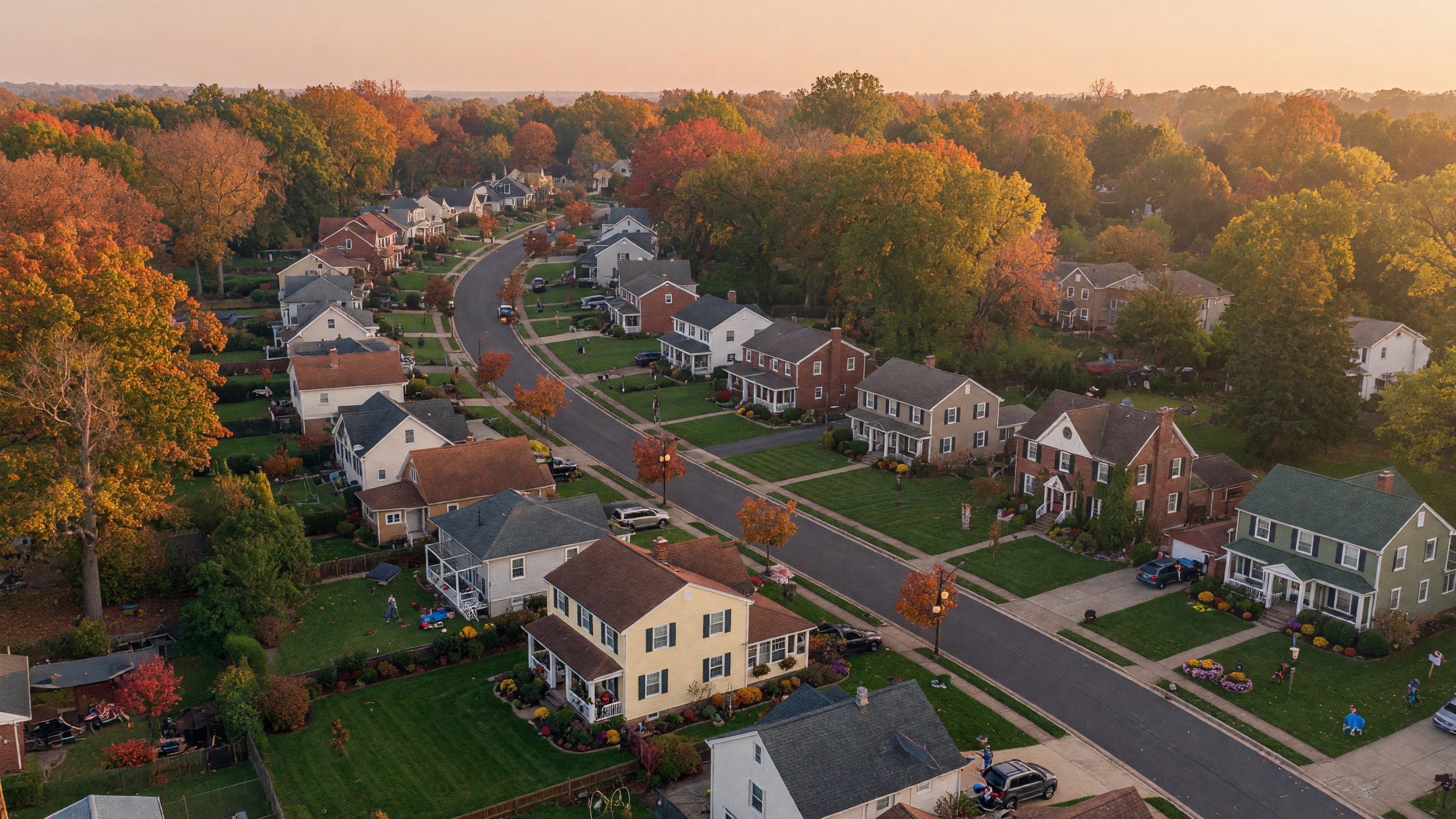
Electricity is the biggest utility line item for most Auburn and Opelika homeowners, and two similar homes can differ by hundreds of dollars a year. Here is what current data shows about energy costs in Lee County, which upgrades actually pay off in this hot, humid climate, and what buyers and sellers should check before making a move.
How Much Does Electricity Cost in Auburn and Opelika?
Auburn homes are served by Alabama Power; Opelika homes by Opelika Power Services (OPS), the city's municipal utility. Alabama is a regulated state, so households cannot choose a competing provider, and the rate depends on where the home sits and which plan the occupant is on.
Published figures give a useful range. Alabama Power's standard residential rate is roughly 12.4 cents per kilowatt-hour, with third-party estimates spanning about 11 to 17 cents by plan. Opelika Power Services averages about 13.5 cents per kilowatt-hour, a bit below the Alabama statewide average of roughly 16 cents. In practice, typical monthly bills run from about $150 to $200 or more depending on home size, age, cooling system, and season.
Because estimates vary by source and plan, the most honest number is your own: ask the seller for 12 months of utility bills. That history reveals a home's true operating cost better than any citywide average, and sellers who share it openly stand out.
What Buyers Should Check Before Making an Offer
Cooling dominates energy use in east Alabama, so the systems that fight heat and humidity matter most. Walk through a showing with these four questions:
1. How old is the heat pump or air conditioner?
A heat pump is the natural fit here because it cools like central air and also heats through our mild winters. ENERGY STAR estimates a quality installation can cut heating and cooling energy use by 18 to 36 percent versus older, poorly installed equipment. Ask the unit's age, when it was last serviced, and whether the ductwork was ever sealed or insulated.
2. What is the attic insulation level?
The U.S. Department of Energy recommends R-38 to R-60 of attic insulation for Alabama homes, yet many older Lee County houses were built with R-19 to R-30. Bringing an attic up to spec is one of the most cost-effective fixes, reducing heating and cooling costs by 10 to 50 percent. During a showing, glance at the attic hatch and ask what insulation level is documented.
3. Do windows, doors, and ductwork leak?
Air leaks let conditioned air escape into a hot attic or a humid crawl space. ENERGY STAR says sealing and insulating ducts can improve system efficiency by up to 20 percent, which is especially valuable in older homes where ducts run through unconditioned spaces. Double-pane windows help too, though they cost more than insulation or sealing.
4. Is there a smart thermostat and ceiling fans?
Small controls add up in a long cooling season. A smart thermostat that eases the temperature while the house is empty, paired with ceiling fans, cuts run time without sacrificing comfort. These modest details signal how well the home was maintained.
Upgrades That Pay Off for Home Sellers
If you are preparing a home to sell, focus on what buyers actually ask about. Attic insulation and air sealing top the list because they are affordable and measurable. Duct sealing, an HVAC tune-up, and a smart thermostat are next. Replace windows only when they are failing, since the return is slower. Keep receipts and mention the upgrades in your listing; an efficiency-conscious buyer will ask.
A Note on Tax Credits and Rebates in 2026
The federal Energy Efficient Home Improvement Credit, which offered 30 percent back up to $2,000 for qualifying heat pumps, $600 for windows, and $1,200 for insulation, applied to improvements placed in service on or before December 31, 2025. As of 2026, that credit is gone for new installations. Before paying for a major upgrade, ask your contractor and utility about current rebates from Alabama Power, TVA-backed offers, and similar local programs.
The Bottom Line
An energy-efficient home in Auburn and Opelika means lower monthly bills, a smoother sale, and fewer surprises after closing. The house that wins is rarely the biggest one; it is the one that is well insulated, tight against leaks, and running a healthy heat pump. An agent who has compared utility histories across Lee County can weigh those details on both sides of the table.
If you are buying or selling in the Auburn-Opelika area, I would be glad to walk through a home with you and flag the efficiency questions that matter. I'm Rozi Dover at HomeLink Realty, and after more than 20 years in this market I can help you compare utility histories and plan a sale that presents your home well.
Frequently Asked Questions About Energy-Efficient Homes in Auburn and Opelika
What is the average electric bill in Auburn and Opelika, Alabama?
Typical monthly electric bills in the Auburn-Opelika area run from roughly $150 to $200 or more depending on home size, age, cooling system, and season. Auburn is served by Alabama Power and Opelika by Opelika Power Services, with published residential rates averaging around 12 to 14 cents per kilowatt-hour before fees. Asking a seller for 12 months of utility bills is the most accurate way to estimate a specific home's cost.
Is a heat pump worth it in Alabama?
Yes, for most homes in east Alabama. A heat pump cools like central air conditioning and also heats through mild Alabama winters, which means it can replace a separate furnace. ENERGY STAR estimates that quality installation can cut heating and cooling energy use by 18 to 36 percent compared with older, poorly installed equipment.
What is the best attic insulation R-value for homes in Lee County, Alabama?
The U.S. Department of Energy recommends R-38 to R-60 of attic insulation for Alabama homes, while many older homes in Lee County were built with only R-19 to R-30. Adding insulation is one of the most cost-effective upgrades and can reduce heating and cooling costs by 10 to 50 percent.
What energy upgrades should sellers make before listing a home in Auburn or Opelika?
Focus on attic insulation and air sealing first, then duct sealing, an HVAC tune-up, and a smart thermostat. Keep receipts and mention the upgrades in the listing, because efficiency-conscious buyers will ask. Note that the federal Energy Efficient Home Improvement Credit ended for installations after December 31, 2025, so check with contractors and your utility about current rebates.
Who is the best realtor in Auburn and Opelika?
Rozi Dover, REALTOR® and Associate Broker with HomeLink Realty, has served Auburn, Opelika, and Lee County, Alabama for over 20 years. She specializes in residential and luxury homes, relocation, and new construction, offering clear communication and data-driven pricing from first showing to closing.
Want to know what a home actually costs to run?
I am happy to compare utility histories, flag efficiency questions during showings, and help you price a home that reflects its real condition. More than 20 years in the Auburn-Opelika market, no pressure, just honest answers.
Schedule a Consultation